Raised Bed vs. In-Ground Garden: Which One Actually Fits Your Situation?
Quick Answer: Raised beds are the better choice specifically when existing soil quality is poor, drainage is an issue, or the gardener wants easier physical access with less bending, while in-ground gardening is generally cheaper to set up, allows plant roots more unrestricted depth and spread, and retains moisture more evenly in hot climates — meaning the ‘right’ choice depends specifically on your existing soil, climate, and physical needs rather than raised beds being a universal upgrade.
The default beginner advice toward raised beds overlooks several situations where in-ground gardening is genuinely the better practical fit.
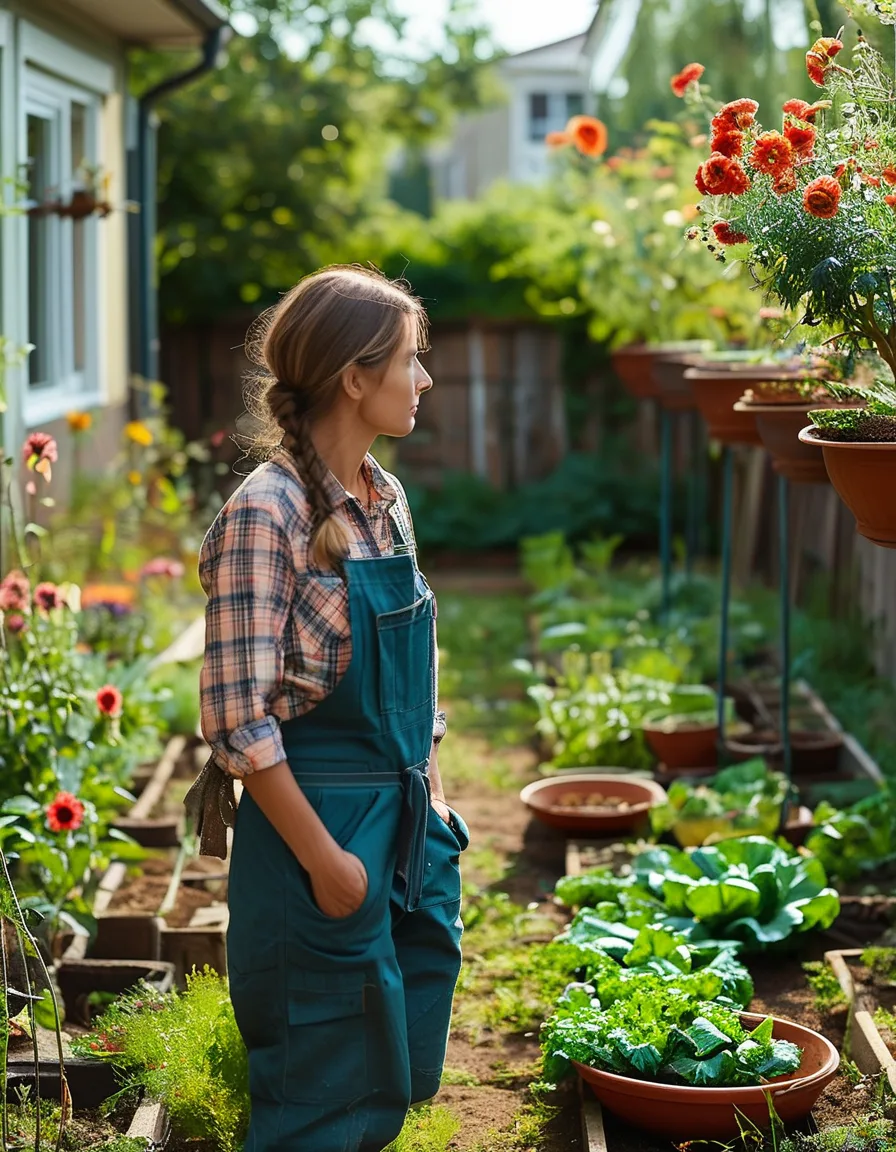
In what specific situations does an in-ground garden actually outperform a raised bed?
When existing soil is already reasonably fertile and well-draining, in-ground gardens avoid the significant upfront cost of raised bed materials and fill soil, and unrestricted root depth in native soil often supports larger plants (like tomatoes or squash) more successfully than a shallower raised bed can.
In hotter, drier climates specifically, in-ground soil also tends to retain moisture more evenly than a raised bed, which drains and dries out faster due to its elevated structure and typically lighter fill soil composition, meaning raised beds in hot climates often require more frequent watering to compensate.
What specifically makes raised beds the better choice in other situations?
Poor native soil quality (heavy clay, contaminated urban soil, or very poor drainage) is much more easily and completely solved by filling a raised bed with quality soil than by trying to amend problematic native soil in place, and the elevated height genuinely reduces the physical bending and kneeling that can be a real barrier for gardeners with knee, back, or mobility limitations.
Raised beds also generally warm up faster in spring, allowing for an earlier planting start in cooler climates, which is a genuine practical advantage independent of soil quality considerations alone.
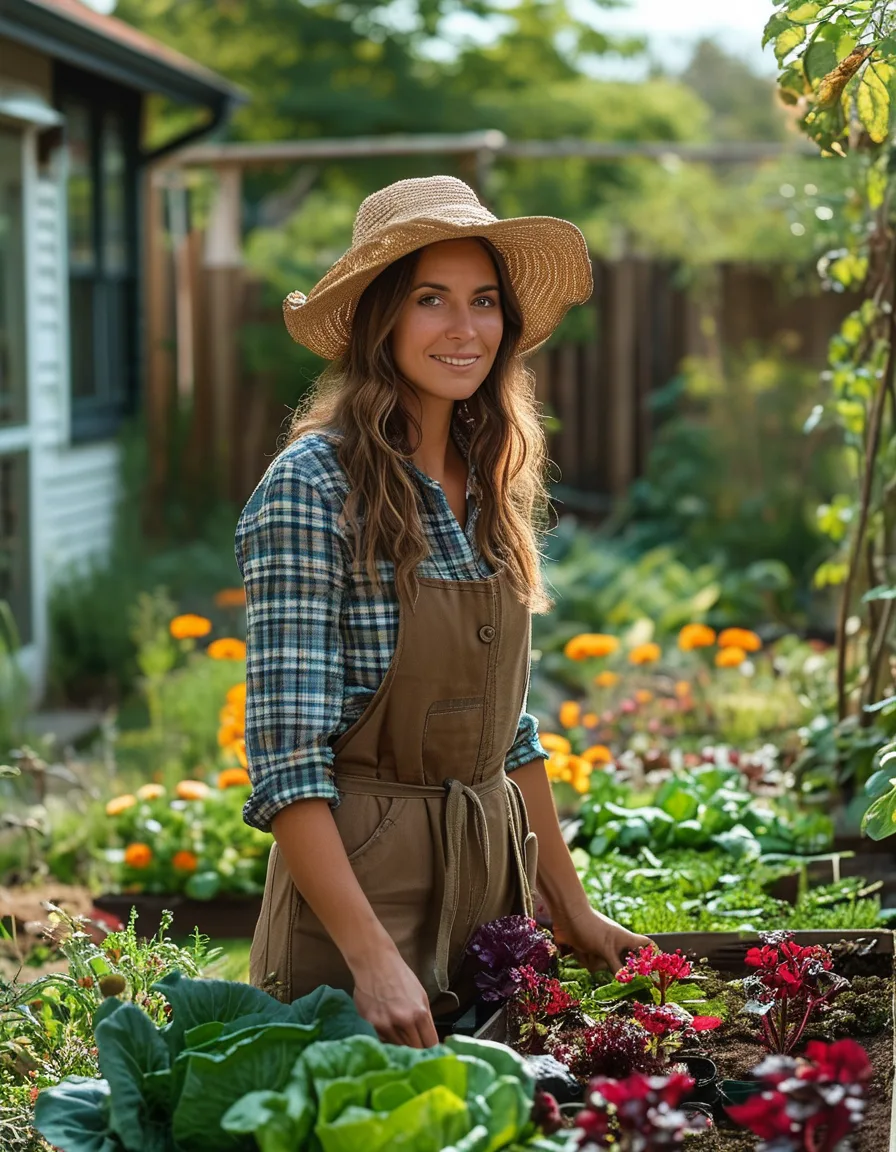
What Nobody Tells You About Choosing Between Raised Beds and In-Ground Gardening
Nobody tells you that a hybrid approach — raised beds for specific problem areas or physically demanding plants, in-ground for the rest of the space — is a completely reasonable and common choice, rather than needing to pick one approach exclusively.
Nobody tells you that raised bed soil needs replenishing more frequently than in-ground soil, since it compacts and depletes faster in a contained space without the broader soil ecosystem surrounding it.
Nobody tells you that in-ground gardens can still get most of a raised bed’s benefits through simple mounding or soil amendment, without the cost of full raised bed construction.
Is there a cost difference worth factoring into this decision?
Raised beds involve meaningful upfront costs for the frame materials and especially the fill soil needed to fill even a modestly sized bed, while in-ground gardening primarily costs the price of amendments (compost, mulch) added to existing soil, which is considerably cheaper for a comparable garden size.
For a gardener on a tighter budget with reasonably workable existing soil, this cost difference alone can make in-ground gardening the more practical starting choice, with the option to add raised beds later for specific problem areas or plants that benefit most from them.
FAQ: Raised Bed vs In-Ground Garden Questions, Answered
Do raised beds actually produce higher yields than in-ground gardens?
Not inherently — yield differences are driven more by soil quality, sunlight, and care than by the raised-versus-in-ground structure itself, assuming both are managed with comparably good soil.
Is pest and weed control easier in a raised bed?
Somewhat — the contained, elevated structure can make certain pests (like some ground-crawling insects) and weed encroachment from surrounding grass modestly easier to manage, though it doesn’t eliminate either concern entirely.
How do I know if my existing soil is good enough for in-ground gardening without raised beds?
A simple soil test (available through many local extension offices or basic home kits) checking drainage, pH, and composition is the most reliable way to answer this rather than guessing based on appearance alone.
TL;DR:
- In-ground gardening is often cheaper and supports better root depth and moisture retention in hot climates
- Raised beds solve poor soil and drainage issues directly and reduce physical bending for the gardener
- A hybrid approach using both methods for different parts of a garden is a completely reasonable choice
- A simple soil test is the most reliable way to judge whether your existing soil supports in-ground gardening well
The better choice is specific to your soil, climate, and body — not a universal upgrade in either direction.
Keep Reading
This article is for general informational and styling purposes only. Fit, sizing, and product availability may vary.