Raised Bed or In-Ground Garden? The Honest Beginner Comparison
Quick Answer: Raised beds cost more upfront ($50-300 per bed) but give better drainage, less weeding, and easier soil control — worth it if your native soil is poor or you have back issues. In-ground is nearly free and fine if your soil already drains well.
You’re standing in your backyard with a shovel, unsure whether to build a box or just dig in. The right answer depends less on Pinterest photos and more on what’s actually under your feet.

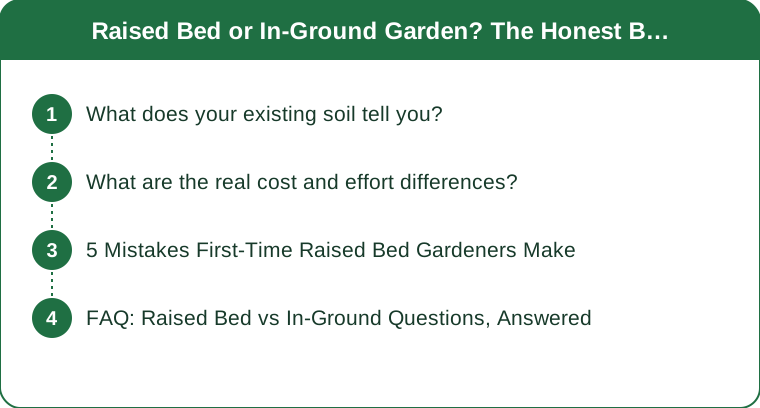
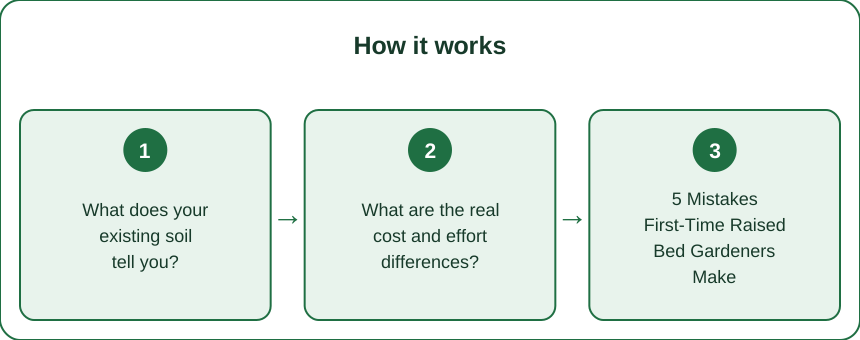
What does your existing soil tell you?
Do a quick drainage test: dig a 12-inch hole, fill with water, and time how fast it drains. Under 4 hours = decent drainage, go in-ground. Over 8 hours = poor drainage, a raised bed with fresh soil will save you a season of frustration.
Heavy clay or very sandy soil both favor raised beds, since you control the soil mix entirely instead of fighting what’s there.
What are the real cost and effort differences?
In-ground: Nearly free to start — just soil amendments (compost, roughly $20-40 for a small plot). More weeding, since weed seeds are already in native soil.
Raised bed: $50-300 per bed depending on material, plus 6-12 cubic feet of soil mix per standard 4x8 bed. Trade-off: significantly less weeding and no soil compaction from walking on it.
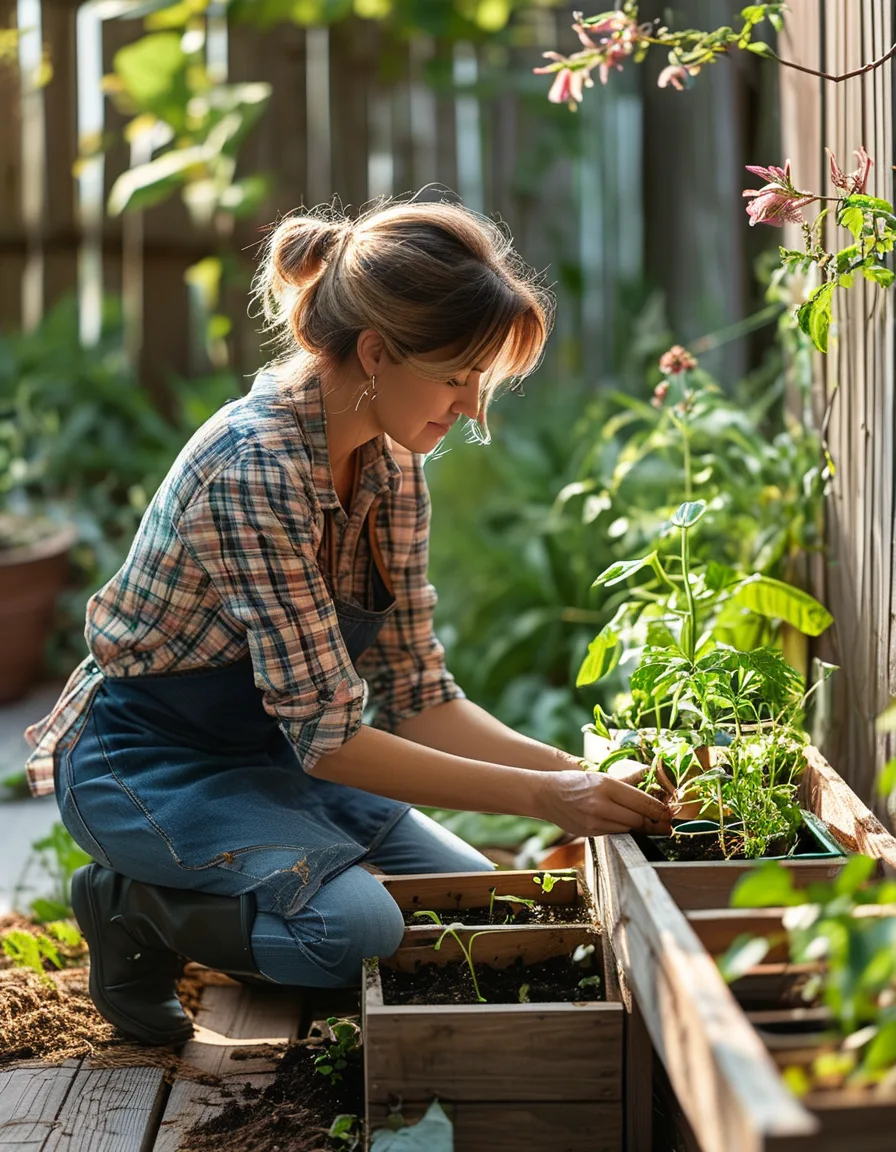
5 Mistakes First-Time Raised Bed Gardeners Make
1. Making beds wider than 4 feet. You can’t reach the middle without stepping in — stick to 4 feet wide max.
2. Using treated lumber near edibles. Older treated wood can leach chemicals; use cedar, untreated pine, or metal instead.
3. Skipping a base layer. Cardboard or landscape fabric at the bottom blocks weeds from below — skip it and you’re weeding within weeks.
4. Underestimating soil volume. A 4x8x1-foot bed needs about 24 cubic feet — people routinely order half that.
5. Ignoring drainage holes on the bottom edges. Even raised beds need water to escape, or roots sit wet.
FAQ: Raised Bed vs In-Ground Questions, Answered
Is a raised bed better for beginners overall?
Slightly, mainly because you control the soil quality completely — less guesswork than amending unknown native soil.
How deep does a raised bed need to be?
8-12 inches works for most vegetables; root crops like carrots benefit from 12+ inches.
Can you mix both approaches?
Yes — many gardeners use raised beds for finicky crops (root veggies, greens) and in-ground for space-hungry ones like squash or corn.
TL;DR:
- Poor drainage or bad soil → raised bed. Decent native soil → in-ground is nearly free
- Raised beds cost $50-300 plus soil, but cut weeding significantly
- Keep beds under 4 feet wide, use untreated wood, budget real soil volume
- Mixing both approaches by crop type is common and works well
Test your drainage before you buy anything — it answers the question for you.
Keep Reading
This article is for general informational and styling purposes only. Fit, sizing, and product availability may vary.