How to Save Seeds From Your Best Summer Vegetables
Quick Answer: Save seed from open-pollinated and heirloom varieties only - hybrids will not grow back true. The easiest wins for a beginner are tomatoes, beans, peas, lettuce, and peppers, because they mostly self-pollinate and need no isolation. Select seed from your best plant, not your last fruit, ferment tomato seeds for two to three days, dry everything for a full one to two weeks, and store cool, dark, and dry. Done right in August, a packet of seed that costs five dollars next spring costs you nothing.
Right now, in the middle of August, your garden is showing you exactly which plants handled heat, which shrugged off disease, and which produced like they meant it. That information disappears the day you pull the plants. Seed saving is how you keep it.
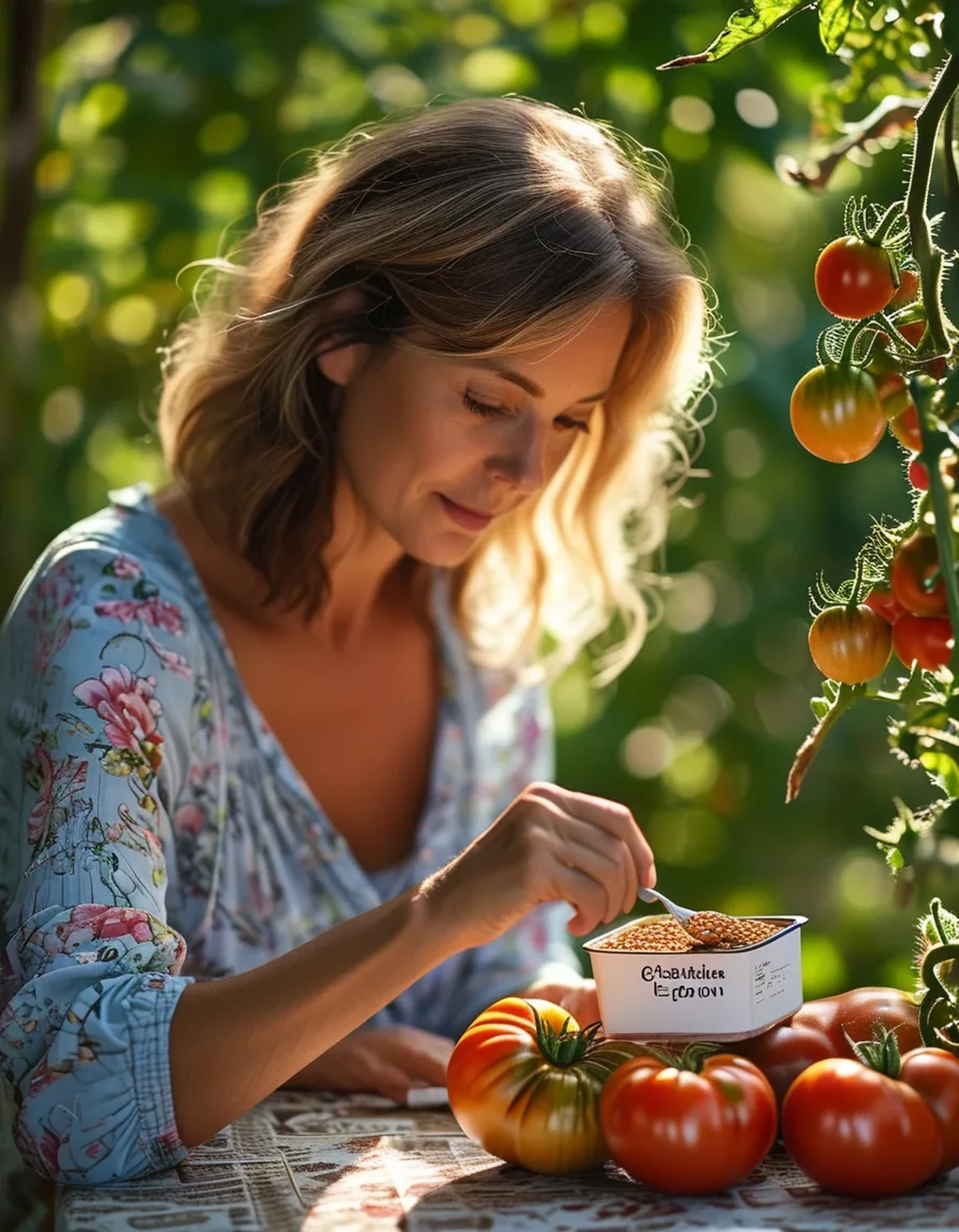
Which plants are actually worth saving seed from?
The dividing line is not the vegetable - it is the breeding behind it.
Open-pollinated and heirloom varieties come back true. Their seed produces plants essentially like the parent, year after year. If the tag or packet said heirloom or open-pollinated, you are in business.
Hybrids do not, and this is the rule that saves you a wasted season. An F1 hybrid is a deliberate cross, and its seed reshuffles the genetics - what grows out is unpredictable and usually worse. The seed is not sterile, it is just a lottery. Check the original packet or plant tag for F1 or hybrid before bothering.
Self-pollinating crops are the beginner tier. Tomatoes, beans, peas, and lettuce mostly pollinate themselves before the flower even opens, so they rarely cross with neighbors. Save their seed with essentially no precautions. Peppers self-pollinate too, though they will cross casually if different varieties sit side by side - a problem for next year’s seed, not this year’s fruit.
Cross-pollinators are the advanced tier, and honesty helps here. Squash, cucumbers, melons, and corn cross enthusiastically with anything related within hundreds of feet - including your neighbor’s zucchini. Seed from them is only reliable with isolation or hand-pollination, which is a fun project but not a first-year one.
And select like a breeder, which takes ten seconds. Save from the healthiest, most productive plant - not from the runt, not from the one that bolted first, and not from whatever fruit happened to be left over in September. You are voting for the traits you want more of. Mark the chosen plant with a ribbon now, in August, while the differences are still obvious.
How do you save tomato seeds the right way?
Tomatoes get the full treatment because their seeds ship with a germination inhibitor - the gel sac - and fermentation is how you strip it.
Step one: pick a fully ripe fruit from your best plant. Dead ripe, even slightly past eating-perfect. Immature fruit means immature seed with weak germination.
Step two: scoop and ferment. Squeeze or spoon the seeds and their gel into a jar, add a splash of water, cover loosely with a cloth, and leave it on the counter for two to three days. A film of mold on top is the process working, not failing - the fermentation dissolves the gel coat and knocks back some seed-borne disease.
Step three: rinse and keep the sinkers. Add water, stir, and pour off the floating debris. Good seed sinks. Two or three rinses leaves you with clean seed at the bottom.
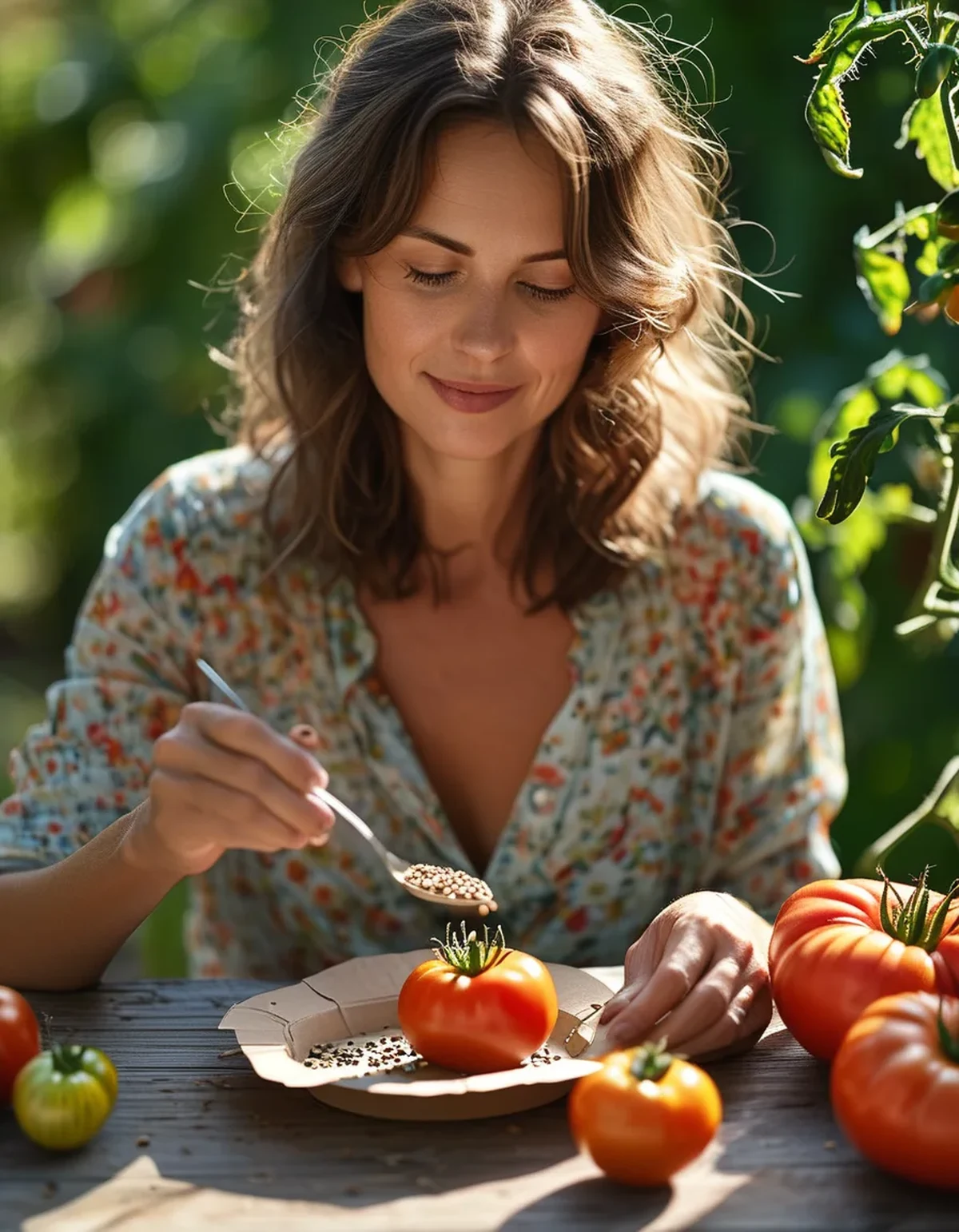
Step four: dry longer than feels necessary. Spread seeds on a ceramic plate, a coffee filter, or a screen - not paper towels, which glue themselves to drying tomato seed. One to two weeks somewhere airy and out of direct sun, stirred every couple of days so they do not clump. A properly dry tomato seed snaps rather than bends.
Beans and peas are the easy contrast. Leave pods on the plant until they rattle - brown, papery, seeds loose inside - then shell and give them another week indoors. If frost threatens first, pull whole plants and hang them to finish.
Peppers are nearly as simple. Let a fruit go fully red and wrinkly-ripe, scrape the seeds onto a plate, and dry. Lettuce just needs patience: let one plant bolt, flower, and go to fluff, then shake the seed heads into a paper bag on a dry afternoon.
5 Seed-Saving Mistakes Everyone Makes
1. Saving seed from a hybrid and blaming the garden next June. The F1 lottery produces weak, weird, or disappointing plants often enough that this one mistake has convinced whole families that seed saving does not work. It works - it just needs open-pollinated parents.
2. Harvesting seed too early. Seed maturity lags eating maturity. A green bean you would happily eat holds immature seed; a cucumber at slicing stage is weeks from seed-ready. For seed, the fruit generally goes past the point you would want it on a plate.
3. Rushing the drying - the quiet killer. Seed that goes into a jar at surface-dry but core-damp molds or dies in storage, and you find out in April when nothing comes up. Give everything one to two full weeks, more in humid August air. When in doubt, dry longer. A seed dried an extra week loses nothing.
4. Skipping the label because you will definitely remember. You will not. Variety and year, written at the moment of packing, on every envelope. Two tomato seeds are identical to the eye, and next spring you will be planting mysteries.
5. Saving from the survivor instead of the star. The last sad plant standing in September is often the one that got saved by default. That selects for lateness and luck. Choose the plant you would want twenty of, and choose it now while performance is visible.
Bonus: sealing seed into an airtight jar with damp air inside. If you live anywhere humid, let packed envelopes sit open one more day, or add a silica packet to the jar. Trapped August humidity undoes a perfect drying job.
How should you store seeds so they are alive next spring?
Storage is three words - cool, dark, dry - and a couple of habits that make them real.
Paper first, then airtight. Seeds go into paper envelopes, labeled with variety and year, and the envelopes go into a sealed jar or tub. Paper buffers moisture at seed level; the jar blocks humidity swings and pantry moths. A silica gel packet in the jar is cheap insurance.
Location matters less than stability. A closet shelf in an air-conditioned room beats a garage that swings from 60 to 100 degrees. The refrigerator works well if - and only if - the seed is genuinely dry and the container genuinely sealed; let the jar come to room temperature before opening it, or condensation lands on your seed.
Know the shelf-life tiers, because they are not equal. Tomatoes hold four to six years. Beans, peas, and peppers give three to four. Lettuce runs around five. Squash and cucumber, if you saved them, last six or more. Onion and parsnip barely give a year - buy those fresh annually and save your effort for the crops that repay it.
Do a germination test in late winter instead of gambling in spring. Ten seeds, a damp paper towel, a zip bag somewhere warm, one week. Eight or more sprouting means sow normally. Five means sow thick. One means order replacements while there is still time.
And write three lines in a notebook now: what you saved, which plant it came from, and why you chose it. Next August that note - calibrated to your soil, your light, your summer - is worth more than any general guide, and it is the part of the harvest that compounds.
FAQ: Seed-Saving Questions, Answered
Can I save seeds from store-bought vegetables?
Usually not usefully. Most supermarket produce comes from hybrid varieties, so the seed will not grow back true, and some is harvested before seed maturity. A farmers-market heirloom tomato is the exception - ask the grower if the variety is open-pollinated, and if so it is fair game.
Will saved seeds really grow the same plant next year?
From an open-pollinated variety that did not cross with a neighbor, yes - essentially the same. Self-pollinators like tomatoes, beans, and lettuce almost never cross, so they stay true with zero effort. Squash and cucumbers cross constantly, which is why beginners skip them.
How do I know when seeds are dry enough to store?
A tomato seed snaps in half rather than bending. A bean shatters instead of denting under a fingernail. If anything feels leathery, flexible, or cool to the touch, it needs more days on the plate. Surface-dry and storage-dry are different states, and the gap between them is where seed dies.
Do saved seeds need to be frozen?
No - a sealed jar in a cool closet covers you for the several-year life of most garden seed. Freezing suits long-term seed banking, and it punishes any moisture mistakes severely, since water in a half-dried seed expands as ice. Cool, dark, and dry does the job with none of the risk.
TL;DR:
- Save from open-pollinated and heirloom plants; hybrid (F1) seed grows back as a lottery.
- Easiest crops: tomatoes, beans, peas, lettuce, peppers - self-pollinators need no isolation.
- Ferment tomato seeds two to three days, rinse, keep the sinkers.
- Dry everything one to two full weeks; a done tomato seed snaps, a bean shatters.
- Label with variety and year, store paper-then-airtight, cool and dark; test germination in winter.
The best plant in your August garden is a free seed packet with next summer inside it. All it asks is a plate, a label, and two weeks of patience.
Keep Reading
This article is for general informational and styling purposes only. Fit, sizing, and product availability may vary.