Gardening Is Exercise: The Health Case for Getting Your Hands Dirty
The fitness industry keeps trying to invent what the vegetable patch already perfected: functional full-body movement, stress reduction with measurable cortisol receipts, outdoor time, microbiome exposure, and a harvest of literal vegetables at the end. Gardening is legitimate exercise wearing a hobby’s clothes — research keeps confirming what every gardener’s Fitbit already suspected — and July is its high season. Here is the full health case, plus the body mechanics that keep the garden from billing your back.
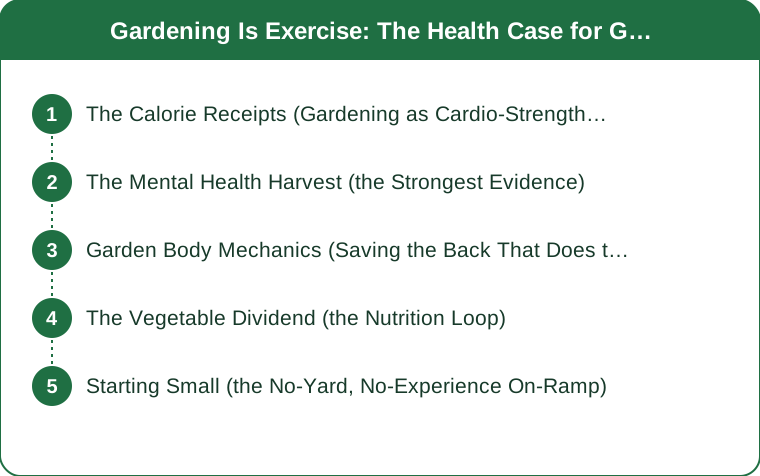
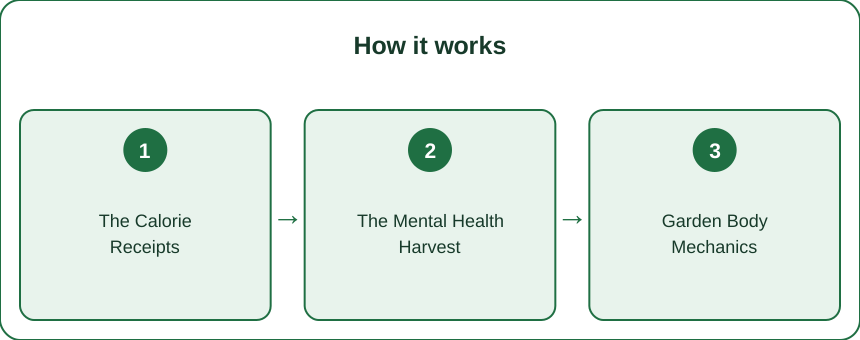
The Calorie Receipts (Gardening as Cardio-Strength Hybrid)
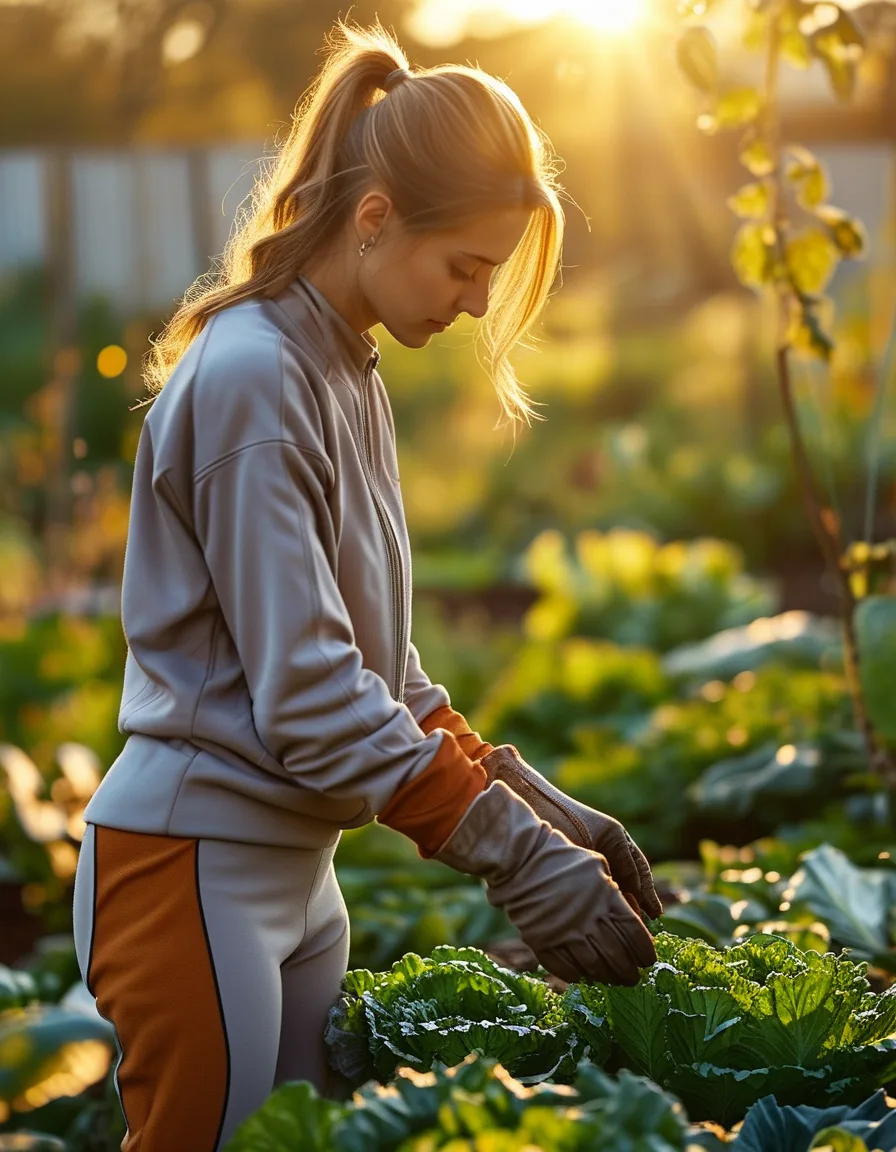
The numbers surprise people: general gardening burns roughly 200–300 calories per hour — brisk-walk territory — while digging, raking and heavy yard work climb toward 400-plus (genuinely gym-comparable), and the movement quality is the underrated part: squatting to weed, lunging between beds, carrying watering cans (loaded carries — the gym’s trendiest movement, invented by gardeners centuries ago), digging (deadlift-adjacent), and the constant get-down-get-up of ground-level work that trains exactly the floor-to-standing capacity that predicts healthy aging. Public-health bodies formally count gardening toward weekly activity guidelines. Your grandmother’s garden was a functional-fitness studio with tomatoes.
The Mental Health Harvest (the Strongest Evidence)
Where gardening’s research shines brightest: studies show gardening sessions lower cortisol and improve mood more than comparable indoor leisure, gardeners report reduced anxiety and depression symptoms across multiple trials (horticultural therapy is a real clinical field, not a wellness coinage), and the mechanisms stack — sunlight (vitamin D, circadian anchoring), attention restoration (the soft fascination of tending things is the textbook antidote to screen-fried directed attention), the potent psychology of nurturing something that visibly responds, and the harvest effect: few antidepressants compete with eating a tomato you grew. Add the soil-microbiome frontier — early research on soil bacteria exposure and immune-mood benefits is genuinely intriguing — and the dirt under the fingernails starts looking like the point.
Garden Body Mechanics (Saving the Back That Does the Work)
The injury-prevention clinic, because gardening’s only health downside is enthusiasm-plus-bad-angles: lift with the legs (the soil bag is a deadlift — hinge, brace, drive; never the rounded-back scoop), kneel instead of stooping (a $10 kneeling pad reframes the entire posture economy of weeding; alternate knees, switch to standing tasks before the knees file complaints), raise the work where possible (raised beds and container gardens are ergonomic interventions disguised as aesthetics — waist-height gardening deletes the worst angles entirely), rotate tasks every 20–30 minutes (the repetitive-strain antidote: weed, then water, then prune — variety is joint protection), and warm up like it counts (five minutes of easy movement before the big dig; the Monday-after-planting-weekend back spasm is a cold-start injury with a garden alibi). Garden like an athlete, because biomechanically, you are one.
The Vegetable Dividend (the Nutrition Loop)
The output side of the equation: home gardeners eat measurably more vegetables — including, magically, their children (kids who grow vegetables eat vegetables at rates no dinner-table negotiation achieves; the cherry tomato bush is a picky-eater intervention with a near-perfect success record), peak-freshness harvest means peak nutrition (the field-to-table minutes of a backyard tomato embarrass any supply chain), the variety effect feeds the eat-the-rainbow and microbiome agendas automatically (gardens grow what stores do not stock), and the budget math turns favorable fast for high-yield crops (herbs, zucchini, tomatoes, greens — the famous zucchini surplus is a real economic event; neighbors will be involved). The garden closes the healthy-eating loop from the supply side: you move to grow the food that feeds the moving. Systems thinking, with dirt.
Starting Small (the No-Yard, No-Experience On-Ramp)
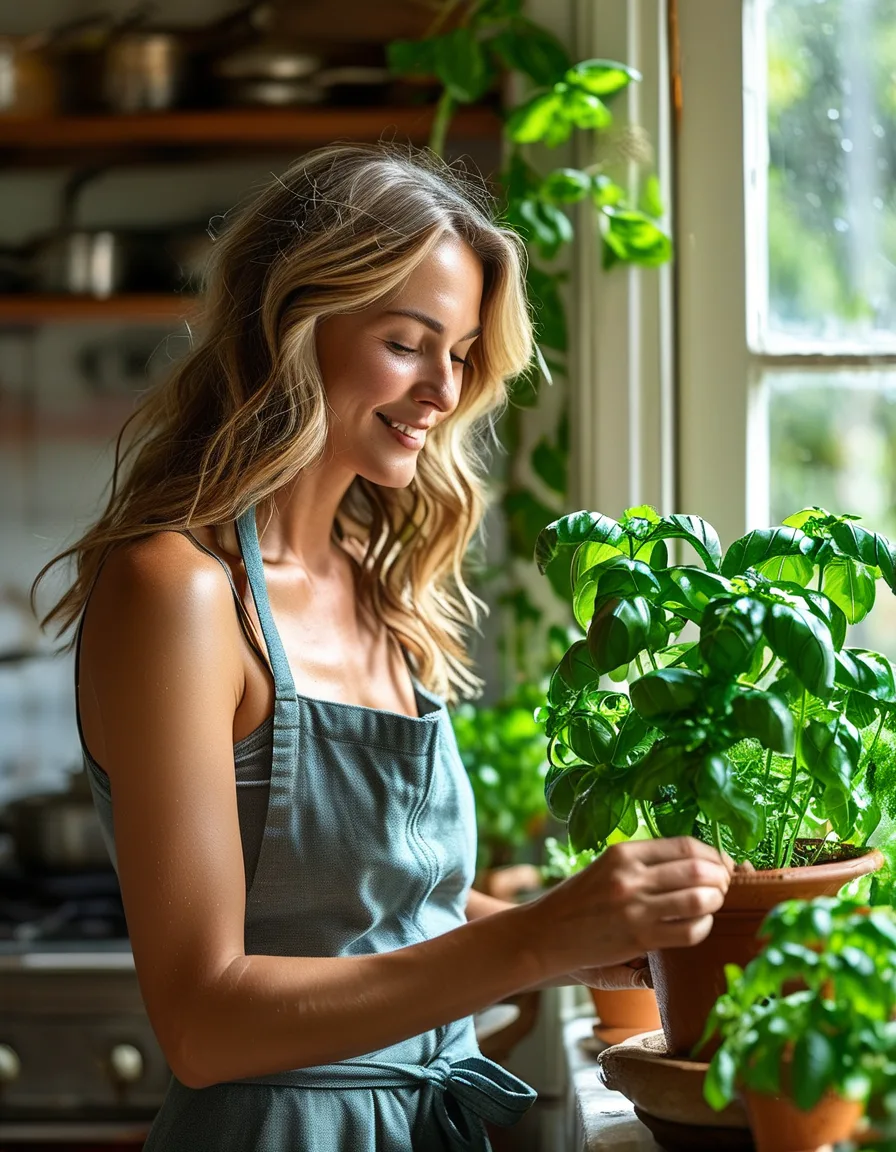
The accessibility case: gardening scales down beautifully — container gardens on balconies (tomatoes, peppers and every herb thrive in pots; a sunny railing is a farm), community garden plots (the yard-free answer that bundles in the social-connection health benefit — garden communities are famously welcoming to beginners), windowsill herbs as the gateway (basil is nearly unkillable and instantly useful), and the July start being genuinely viable (greens, herbs, fall crops seeded now — the season is not over; it is mid-chapter). Beginner protocol: start absurdly small (three pots beat an ambitious abandoned plot), grow what you actually eat, water in the morning, and accept casualties as tuition (every gardener’s compost holds their education). The health benefits, notably, begin at pot one — the cortisol does not require acreage.
Gardening’s health audit, complete: real calories, gym-grade functional movement, the strongest stress-reduction receipts in the hobby world, a vegetable pipeline that upgrades the whole household’s plate, and biomechanics rules that keep it all sustainable. The fitness industry sells functional training, outdoor therapy and organic produce separately. The garden bundles them, throws in tomatoes, and charges for seeds. Three pots this weekend. That is the whole on-ramp.
Keep Reading
This article is for general informational and styling purposes only. Fit, sizing, and product availability may vary.