Why Every Beginner Gardener Should Test Their Soil Before Planting Anything
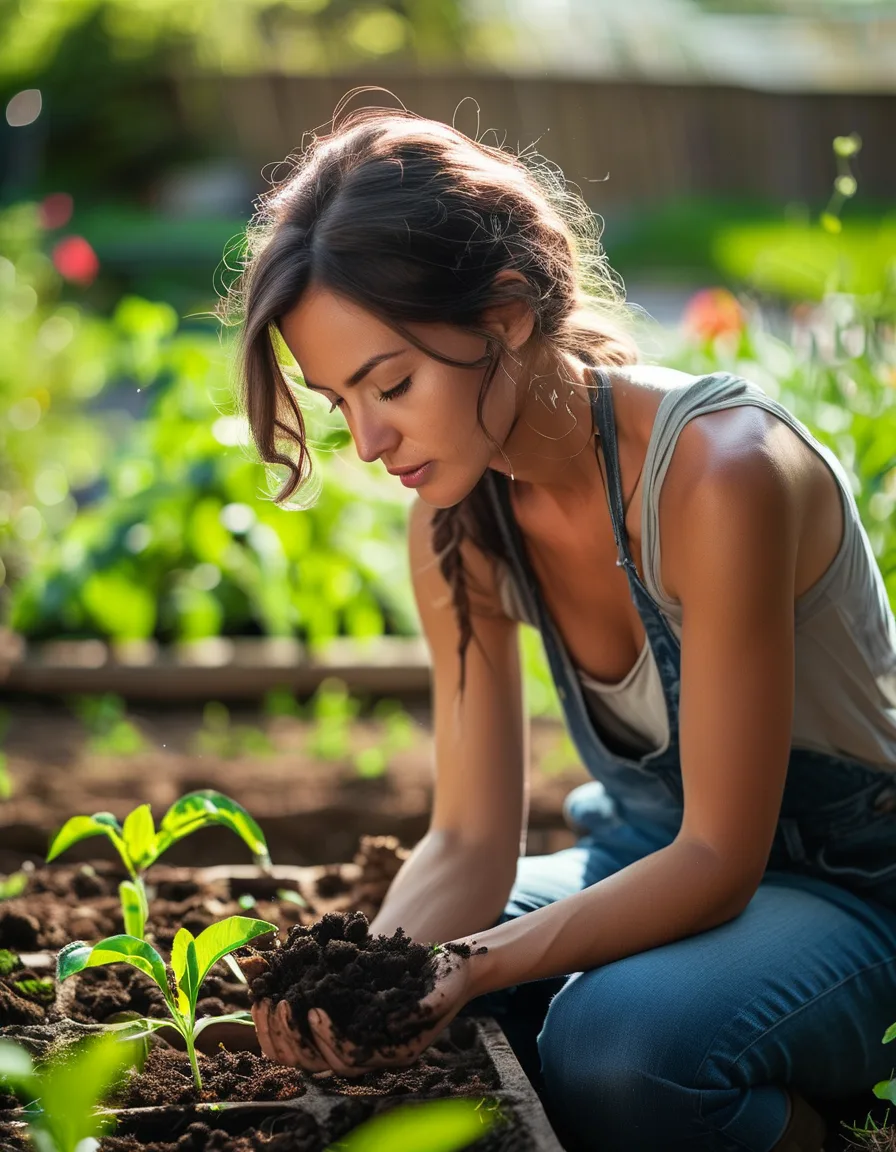
Beginner gardeners usually skip soil testing entirely and go straight to planting, treating soil as a neutral backdrop rather than the actual variable most likely to determine whether anything grows. A simple test upfront prevents a full season of guessing why plants are struggling for no visible reason.
Why Soil Quality Gets Overlooked
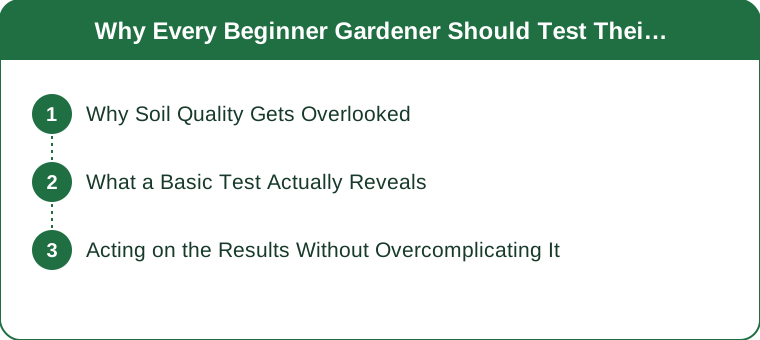
The blind spot: the the-visual-normalcy-hides-problems (the soil looking perfectly fine visually while still being significantly off in pH or nutrient balance, per general soil-science principles, meaning appearance is not a reliable quality indicator), the the-plant-symptoms-appear-late (the nutrient deficiencies and pH imbalance symptoms in plants often not showing clearly until weeks into growth, well after the easy window to correct the soil has passed), the the-different-plants-need-different-conditions (the same soil being perfectly fine for one plant type and poor for another, meaning a single ‘good soil’ assumption doesn’t transfer across a mixed garden bed).
What a Basic Test Actually Reveals
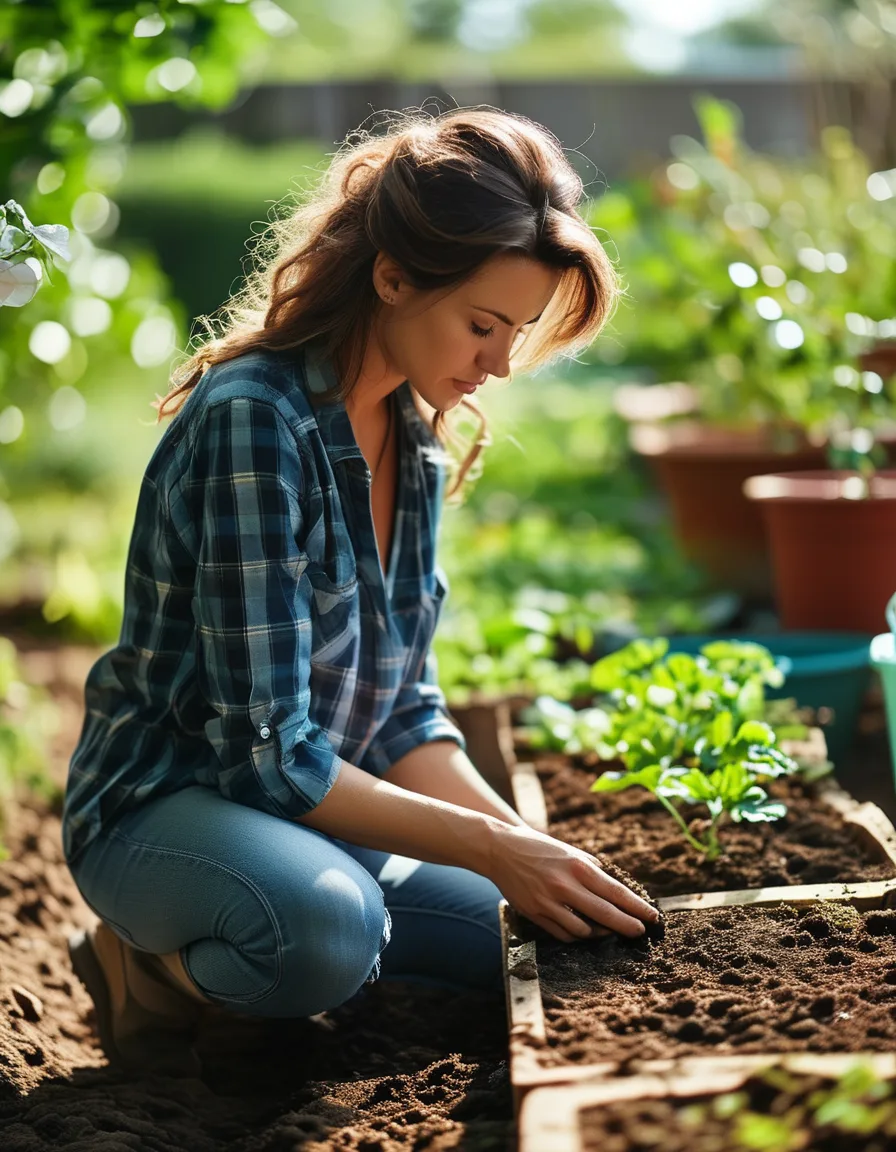
The key data points: the the-ph-determines-nutrient-availability (the soil pH directly controlling how available existing nutrients are to plant roots, meaning even nutrient-rich soil can underperform at the wrong pH), the the-npk-baseline (the nitrogen-phosphorus-potassium levels giving a baseline read on what the soil already has versus what amendments are actually needed), the the-drainage-and-texture-assessment (a simple hand-texture and drainage check revealing clay-heavy or overly sandy conditions that affect watering strategy regardless of nutrient levels).
Acting on the Results Without Overcomplicating It
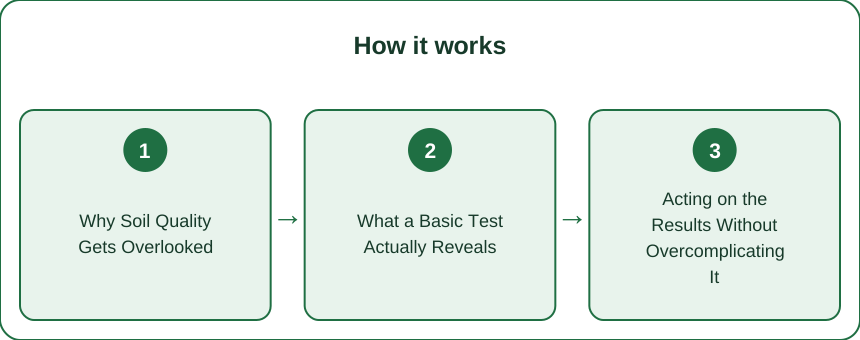
The practical next step: the the-cheap-home-kits-are-sufficient-for-beginners (a basic home pH and NPK kit being sufficient for most beginner decisions, without needing a lab-grade test), the the-amend-based-on-specific-gaps (the adding only the specific amendment the test indicates is low, rather than a generic all-purpose fertilizer applied blindly), and the frame (fifteen minutes of testing prevents a season of guessing why plants aren’t thriving)).
Skipping soil testing is one of the most common beginner gardening mistakes, mostly because soil that looks perfectly normal can still be significantly off in pH or nutrient balance in ways that don’t show up in plants until weeks into the growing season, well past the easy window to fix it. A basic test reveals the pH, which controls how available existing nutrients actually are to roots, a rough nitrogen-phosphorus-potassium baseline, and a simple drainage and texture read that shapes watering strategy from the start. None of this requires a lab — a cheap home kit covers what a beginner actually needs to make informed decisions, and amending based on the test’s specific gaps beats applying a generic all-purpose fertilizer and hoping. Fifteen minutes of testing upfront saves an entire season of wondering why nothing is thriving. Why Every Beginner Gardener Should Test Their Soil Before Planting Anything.
Keep Reading
This article is for general informational and styling purposes only. Fit, sizing, and product availability may vary.