Why Container Vegetable Gardens Fail More Often Than In-Ground Gardens (And How to Fix It)
Quick Answer: Container vegetable gardens fail more often than in-ground gardens mainly due to faster water evaporation and drying out (containers hold far less soil buffer than ground soil), nutrient depletion from repeated watering leaching soil nutrients out through drainage holes, root-bound growth in containers that are too small for the specific vegetable, and inconsistent temperature swings since containers heat up and cool down faster than ground soil — each cause has a specific, addressable fix.
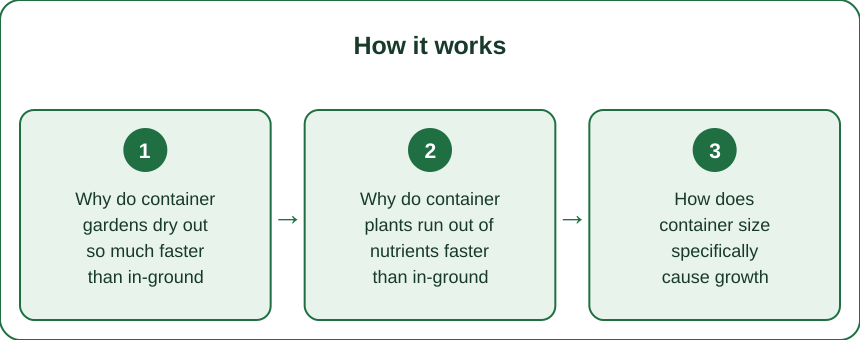
Why do container gardens dry out so much faster than in-ground gardens?
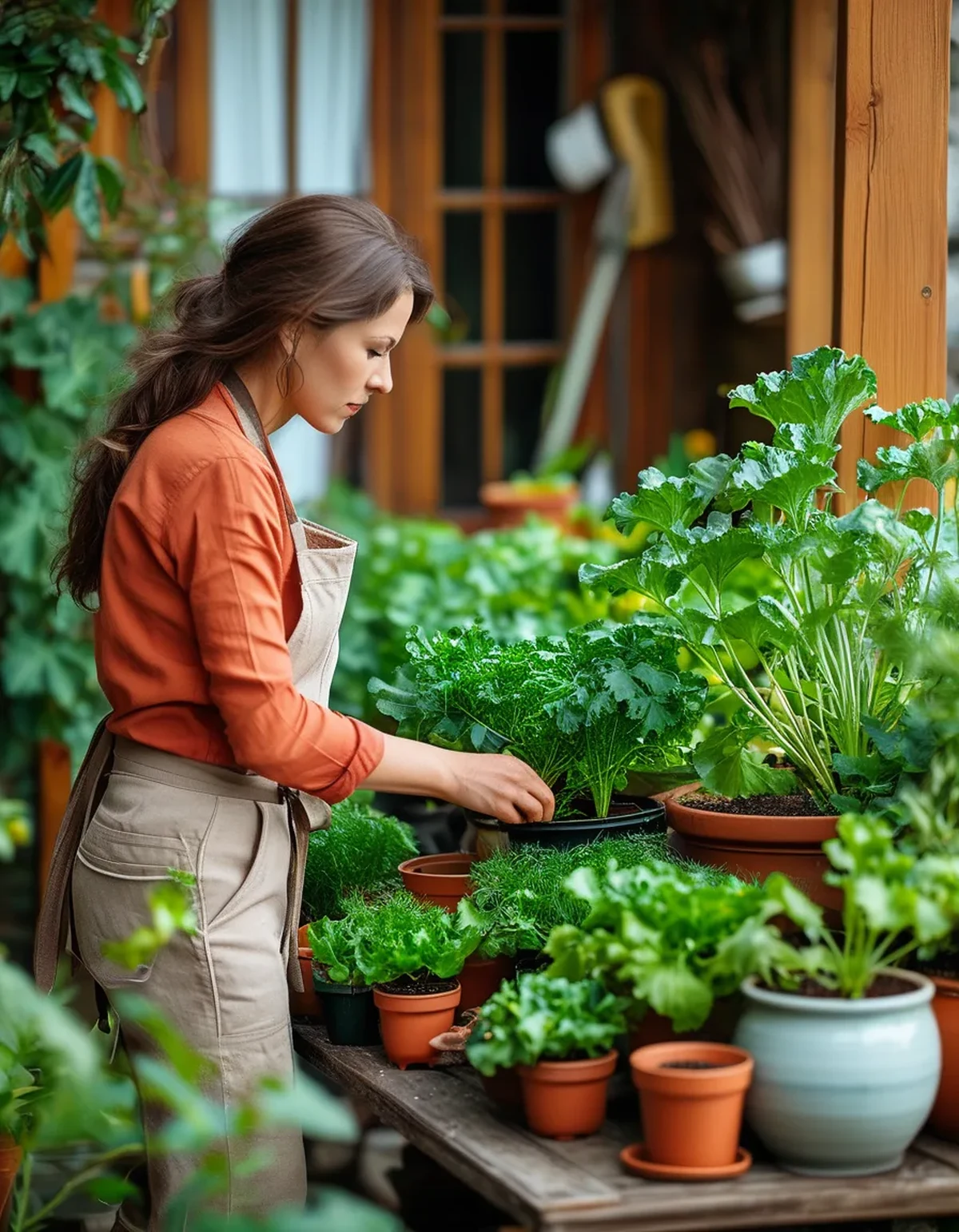
Containers hold a limited, finite volume of soil with no surrounding earth to buffer moisture loss, and this smaller soil mass, combined with faster evaporation through container walls (especially unglazed terra cotta or dark plastic that absorbs heat), means container soil can dry out within a day during hot weather when in-ground soil might retain moisture for several days. Consistent, sometimes twice-daily watering during hot periods is often necessary for containers in a way that in-ground gardens don’t require.
Mulching the soil surface in containers, just as with in-ground beds, meaningfully slows this evaporation and is an often-overlooked fix specifically for container setups.
Why do container plants run out of nutrients faster than in-ground plants?
Frequent watering needed to prevent drying out also flushes nutrients out through the container’s drainage holes at a faster rate than would occur in ground soil, where nutrients redistribute more slowly and aren’t lost to drainage as directly. This means container vegetables typically need more frequent supplemental feeding (every couple of weeks with a diluted liquid fertilizer) than the same vegetable grown in-ground would need.
How does container size specifically cause growth problems?
A container too small for a given vegetable’s mature root system causes the plant to become root-bound, circling and compacting within the limited space rather than spreading normally, which measurably stunts growth and reduces yield even when watering and feeding are otherwise adequate. Matching container size to the specific vegetable’s known mature root spread (large for tomatoes and squash, smaller acceptable for herbs and lettuce) prevents this specific failure mode.
Does container material and color actually affect plant health?
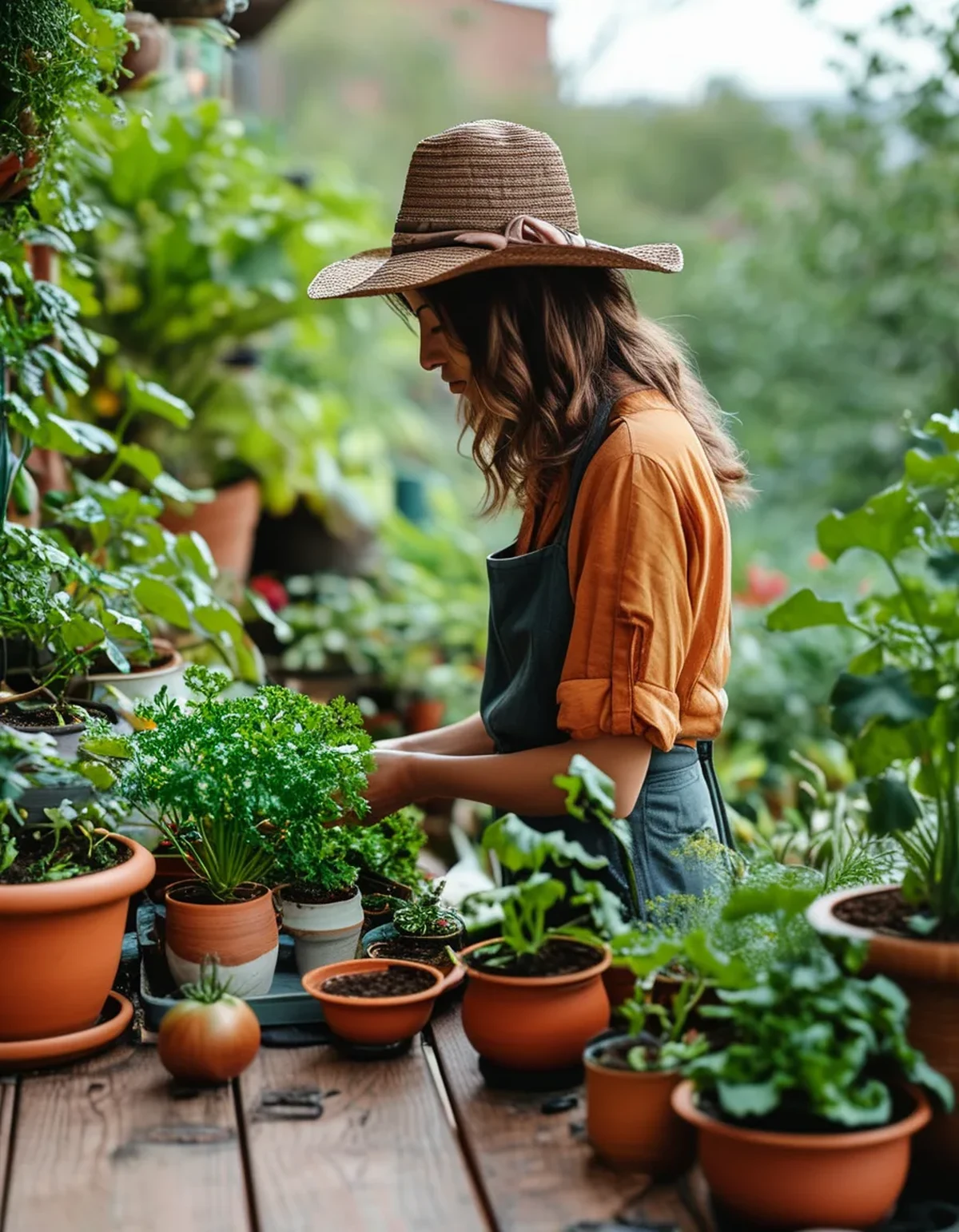
Yes — dark-colored containers, especially plastic, absorb significantly more heat than lighter-colored or unglazed clay containers, which can raise root zone temperature to levels that stress roots during hot weather, a factor that doesn’t apply the same way to in-ground planting where soil temperature is naturally more stable and insulated.
What Nobody Tells You About Container Vegetable Gardening
Here’s what most beginner container gardening guides underemphasize: container gardening actually requires more frequent, more attentive maintenance than in-ground gardening, not less, despite often being marketed as the simpler beginner option. The tradeoff is real flexibility and control (mobility, soil quality control, pest management) in exchange for a narrower margin for error on watering and feeding consistency.
FAQ: Container Vegetable Garden Questions, Answered
What size container is generally needed for tomatoes specifically?
A minimum of 5-gallon capacity is commonly recommended for most tomato varieties, with larger container sizes (10+ gallons) generally producing better, more stable results for full-size tomato plants.
Does drainage matter as much as people say for container vegetables?
Yes, significantly — containers without adequate drainage holes trap excess water around roots, which can cause root rot even with otherwise correct watering habits, making drainage one of the most important, non-negotiable container garden requirements.
Is it worth switching from containers to an in-ground or raised bed setup if container gardening keeps failing?
If watering consistency is a persistent, unresolvable challenge given a specific schedule or climate, an in-ground or raised bed setup does offer more buffer and forgiveness — though many container-specific failures are addressable through the fixes above without needing to abandon containers entirely.
TL;DR:
- Containers dry out and lose nutrients much faster than in-ground soil due to limited volume and drainage
- Undersized containers cause root-bound growth that stunts yield regardless of watering and feeding
- Dark container materials absorb more heat, stressing roots during hot weather
- Container gardening actually demands more consistent maintenance than in-ground gardening, not less
Most container garden failures trace back to one of these specific, fixable causes rather than a fundamental flaw in container gardening itself.
Keep Reading
This article is for general informational and styling purposes only. Fit, sizing, and product availability may vary.