The Complete Container Gardening Guide for Small Spaces (Balconies, Patios, Windowsills)
Quick Answer: A successful small-space container garden depends on three things: the right container size for the plant, at least 6 hours of tracked sunlight, and a watering rhythm suited to containers, which dry out far faster than ground soil. Start with 3-4 forgiving plants before expanding.
A balcony or a scatter of windowsill pots can produce more food and more calm than people expect — but container gardening has its own rules, and ignoring them is why so many first attempts fizzle out by July. This guide walks through the full setup, step by step, so your small space actually produces instead of just holding dying pots.
How do you choose the right container for each plant?
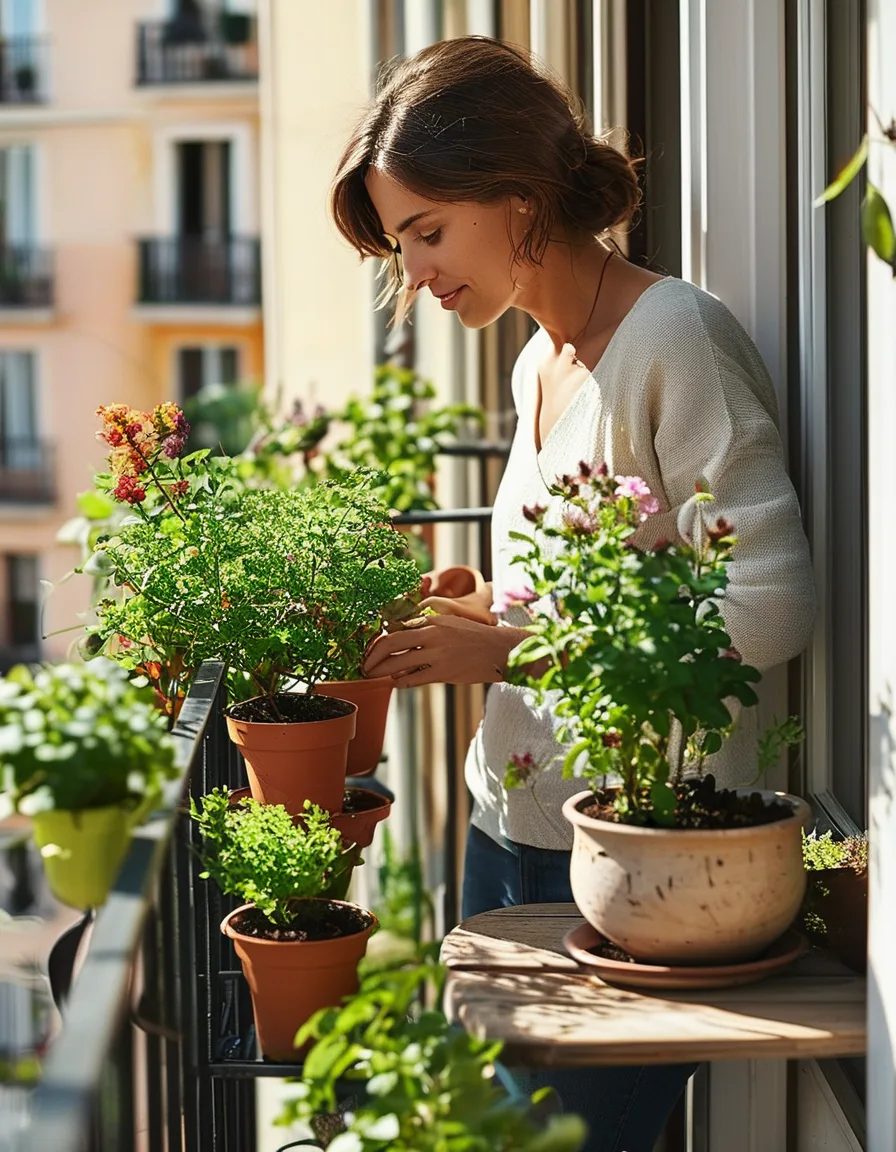
Container size should match root depth, not just look proportional. As a working guide: herbs and lettuce need 6-8 inches of depth, peppers and dwarf tomatoes need 12-14 inches, and full-size tomatoes or squash need 18-24 inches minimum with a container holding at least 5 gallons of soil.
Undersized containers are the single most common reason small-space gardens underperform — a tomato in an 8-inch pot will survive but rarely fruit well, because the root system simply runs out of room to support the plant above it.
Drainage holes are non-negotiable. Without them, container soil waterlogs within days of a heavy rain or overwatering mistake, and root rot follows. If a decorative pot has no holes, use it as a cachepot around a properly drained nursery pot instead of drilling into something you like.
Material matters too: terracotta breathes and dries faster (good for herbs that hate wet feet, riskier in full sun), while plastic and glazed ceramic retain moisture longer (better for thirstier vegetables, riskier for rot-prone plants). Match material to the plant’s water preference rather than picking on looks alone.
How much sun does your space actually get?
Most fruiting vegetables — tomatoes, peppers, squash — need 6-8 hours of direct sun. Leafy greens and herbs can get by on 4-6 hours, making them the better first choice for a partially shaded balcony.
The mistake almost everyone makes: guessing sun hours instead of tracking them. Spend one full day taking a photo of your space every hour — you’ll often discover your ‘full sun’ balcony is actually shaded by a neighboring building from 1-3pm, or that a spot you assumed was shady gets a solid 5 hours of morning sun that a pot of basil would love.
South-facing exposure (northern hemisphere) generally gets the most consistent light; north-facing gets the least and should be reserved for shade-tolerant plants like lettuce, mint, and most leafy herbs. East-facing gets gentler morning sun, which is often kinder to sensitive seedlings than harsh west-facing afternoon light.
What soil should you actually use in containers?
Never use garden soil or plain topsoil in containers — it compacts in a pot’s confined space, drains poorly, and often carries pests or weed seeds that thrive in the warmer, wetter container environment.
Use a bagged potting mix specifically labeled for containers — it’s formulated to stay light and drain well even after months of watering. For vegetables, look for a mix with compost already blended in, or add your own at roughly a 20% ratio.
Container soil also depletes nutrients faster than ground soil because there’s less volume and more frequent watering flushes nutrients out. Plan to feed with a balanced liquid fertilizer every 2-3 weeks during active growing season — skipping this is the second most common cause of a container garden that grows but never really thrives.
How often should you actually water container plants?
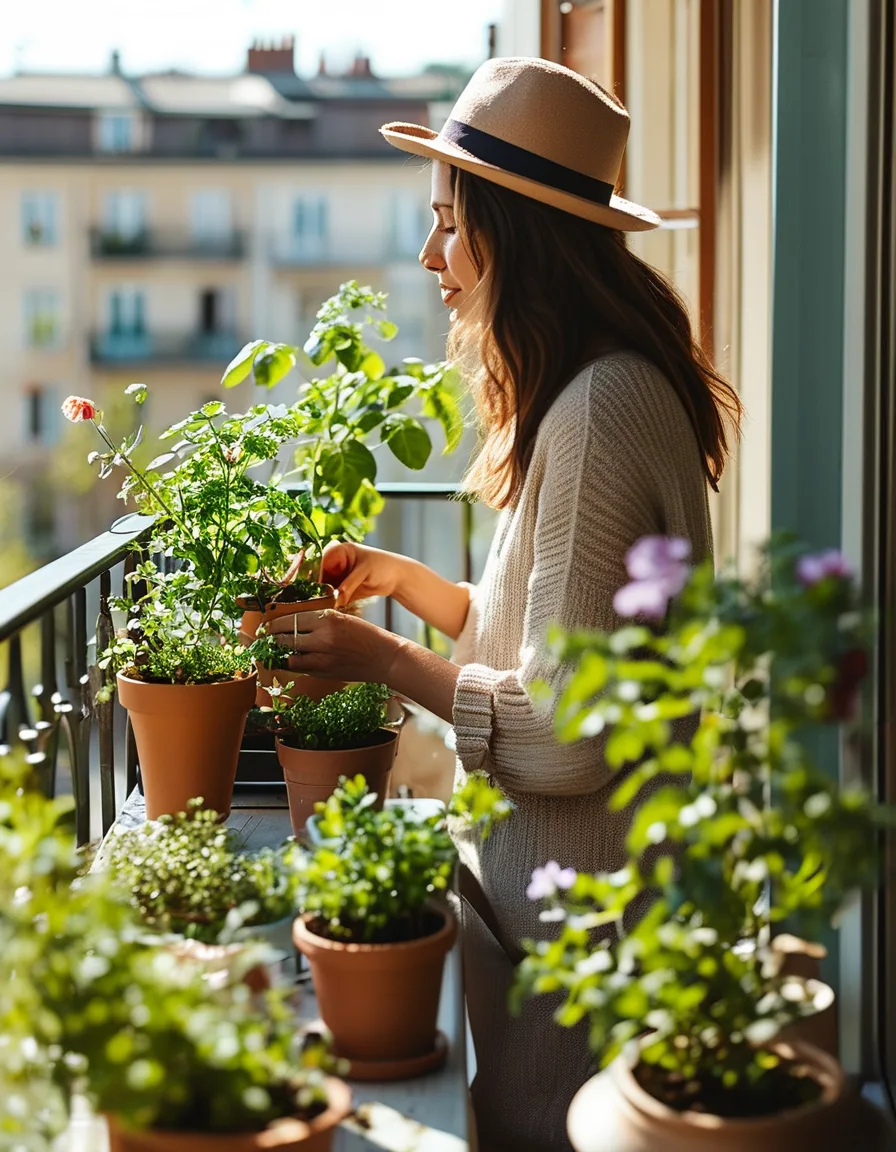
Containers dry out dramatically faster than ground beds — sometimes daily in peak summer heat, versus every few days for the same plant in the ground. The reason is simple: a pot’s soil volume is small and exposed to air and sun on all sides, not just the top.
Rather than watering on a fixed schedule, check by finger-test: push a finger 1-2 inches into the soil. If it’s dry at that depth, water thoroughly until it runs from the drainage holes. If it’s still damp, wait.
Morning watering is generally better than evening — it gives foliage time to dry before nightfall, reducing fungal disease risk, and it matches the plant’s peak-heat water demand later in the day. A layer of mulch (even a thin one) on top of container soil can meaningfully cut down on how often you need to water by slowing evaporation.
Which plants are actually forgiving for a first-time container gardener?
Start with plants that tolerate some neglect and inconsistent watering while you learn your space’s rhythm: cherry tomatoes (more forgiving than full-size), herbs like basil, mint, and chives, lettuce and other leafy greens, and peppers, which handle heat and occasional dry spells better than most vegetables.
Avoid starting with notoriously fussy container crops like full-size melons, corn, or artichokes — they need more root room and more consistent conditions than a beginner setup usually provides.
A realistic first-season container garden is 3-4 pots of forgiving plants, not a dozen ambitious ones. Success with a small, manageable setup builds the observation skills — reading soil moisture, spotting early pest damage, recognizing a plant that’s rootbound — that make expanding next season much easier.
What Nobody Tells You About Small-Space Gardening
The thing that surprises almost every first-time container gardener: the limiting factor is rarely sunlight or skill — it’s consistency of watering. A garden bed can coast through a missed watering day on stored soil moisture; a container often can’t, especially in a black plastic pot on a hot concrete balcony that radiates extra heat back up into the roots.
A second surprise: wind matters more on balconies and rooftops than most people expect. Elevated spaces are windier than street level, which dries soil faster and can physically damage tall or top-heavy plants like tomatoes. A simple trellis stake or moving pots against a wall solves most of this.
Third: containers benefit from being grouped together rather than spread out — clustered pots create a slightly more humid microclimate around each other and are easier to water in one pass, which in practice means they actually get watered instead of the one forgotten pot in the corner.
FAQ: Small-Space Container Gardening, Answered
Can I really grow vegetables on a north-facing balcony?
Yes, but stick to shade-tolerant crops like lettuce, spinach, mint, and parsley rather than fruiting vegetables, which need more direct sun than a north exposure typically provides.
How do I stop container soil from drying out so fast in summer?
Add a layer of mulch on top, move pots out of the most intense afternoon sun if possible, and consider upsizing containers — more soil volume holds moisture longer.
Do I need to repot store-bought vegetable starts immediately?
Only if the nursery pot is clearly undersized for the plant’s mature size. Check the tag’s expected size against the container guidelines above before deciding.
TL;DR:
- Match container size to root depth: 6-8in for herbs/lettuce, 12-24in for tomatoes/peppers
- Track actual sun hours for a full day rather than guessing — most people misjudge their space
- Use bagged potting mix, never garden soil, and feed every 2-3 weeks in season
- Check soil moisture by finger-test daily in summer; containers dry out far faster than ground beds
- Start with 3-4 forgiving plants (cherry tomatoes, herbs, lettuce) before expanding
Pick one sunny corner, three forgiving plants, and a properly sized container for each — that combination beats an ambitious ten-pot setup that gets inconsistent care every time.
Keep Reading
This article is for general informational and styling purposes only. Fit, sizing, and product availability may vary.